

Cartography as Emotional Architecture
Some books demand to be read with a highlighter; others demand to be read with an atlas close at hand. Maria Vance’s debut novel, The Topography of Phantom Towns, belongs firmly in the latter camp. It is a story rooted in the strange, melancholic reality of settlements that once thrived around boom-and-bust industries, only to be entirely erased from official modern maps.
Vance uses geography not merely as a backdrop, but as a living character that breathes, shifts, and ultimately demands reckoning from the few who remember it.
Plot Mechanics and the Search for Lost Ground
The narrative follows Elias Vance, a disillusioned archivist who inherits a trunk of hand-drawn cartographic surveys from an estranged uncle. These are not ordinary maps. They detail towns that government agencies insist never existed, complete with property lines, church steeples, and population counts frozen in 1954.
The Journey Into the Blank Spaces
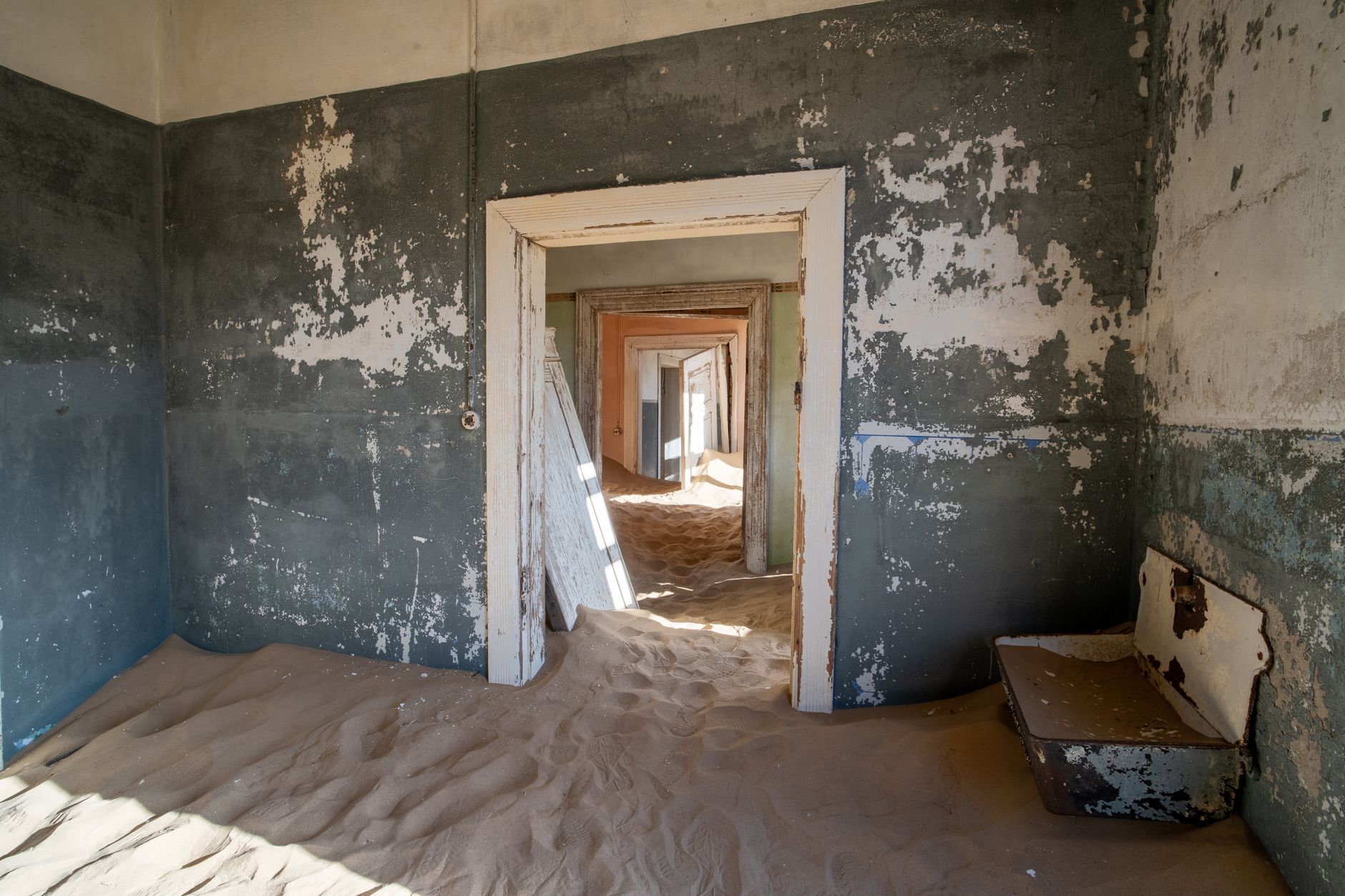
Driven by an inexplicable compulsion, Elias sets out in a rusted sedan to physically locate these ghost settlements. What he finds is a landscape shaped by quiet grief, where nature has reclaimed the foundations of general stores and schoolhouses.
Encountering the Residents
Along the way, he encounters individuals who seem tethered to these invisible coordinates—people who refuse to let history turn the page without a fight.
Prose That Feels Like Weather
What elevates Vance’s novel above a standard mystery is her prose. It is dense, evocative, and carries the heavy, damp scent of pine needles and damp earth after a long summer rain. She writes about silence not as an absence of sound, but as a heavy physical presence that presses against the eardrums.
Every sentence feels meticulously measured, constructed with the precision of an architect and the intuition of a poet.
Themes of Erasure and Resilience
At its core, The Topography of Phantom Towns is an exploration of what we lose when progress demands physical erasure. Vance asks uncomfortable questions about how a community defines itself once its economic engine sputters out and dies.
The Weight of Abandonment
The novel examines the psychological toll of living in the shadow of vanished neighbors, where every remaining chimney is a monument to what used to be.
Memory Versus Documentation
Through Elias’s archival lens, Vance contrasts official bureaucratic history with the messy, unquantifiable weight of human memory.
Final Verdict: A Journey Worth Taking
If you prefer fast-paced thrillers with tidy resolutions wrapped up in a neat bow, Vance’s meditative pacing might test your patience. But if you savor fiction that lingers in your mind long after the final page is turned, this book is an absolute triumph.
It reminds us that the places we leave behind never truly vanish—they simply wait for someone willing to look closely enough at the margins.