


The Trench Coat Meets the Rising Tide
Picture the scene: a flickering neon sign hums against a heavy, sulfurous fog, but the rain slicking the pavement isn’t just water—it’s laced with industrial runoff. Enter the hard-boiled detective, nursing a glass of synthetic whiskey in a flooded metropolis.
For decades, noir has been defined by moral rot in urban jungles. Today, speculative fiction writers are taking that classic formula and swapping out the corrupt city councilmen for a much bigger antagonist: planetary collapse. This intersection of hard-boiled mystery and climate fiction has birthed a gripping new flavor of storytelling often called eco-noir or cli-fi noir.
Why Traditional Mysteries Need a Climate Upgrade
Classic detective stories rely on a closed system. There is a victim, a suspect pool, a series of clues, and eventually, a restoration of order. But what happens when the entire ecosystem is the crime scene?
The Infinite Suspect
In cli-fi noir, the culprit isn’t just one person with a silver-plated revolver. It is a sprawling corporate syndicate, a geoengineering firm playing God, or a government covering up total agricultural failure.
Shifting the Stakes
Solving the murder of a local water baron isn’t just about personal justice anymore; it uncovers a conspiracy that could dry up the last remaining aquifers for millions. The stakes are profoundly magnified.
The Archetypes of the Eco-Detective
The tired, cynical private eye gets a fascinating makeover when dropped into a world of melting ice caps and genetically modified flora. These protagonists are scarred not just by war or bad breakups, but by ecological grief.
They might wear respirators instead of fedoras, and their trusty sidekick might be a bio-engineered canine built to track carbon emissions rather than scents. Yet, at their core, they retain that stubborn, romantic commitment to the truth, even when the truth is drowning beneath the waves.

Essential Elements of the Subgenre
If you are looking to dive into this murky, rain-drenched subgenre, keep an eye out for a few recurring world-building pillars that make these stories sing.
Resource Scarcity as a Plot Device
Everything has a price tag when it runs out. Clean air, real coffee, and potable water are traded like illicit narcotics, driving the criminal underworld.
Technological Desperation
Instead of sleek sci-fi gadgets, characters rely on duct-taped life support gear, makeshift desalination filters, and weathered solar-powered jalopies.
Where to Start Your Investigation
Ready to trade your cozy mysteries for something a bit more dust-choked and water-logged? Authors are increasingly leaning into this space to make sense of our changing world through the lens of pulp entertainment.
Look for novels that blend gritty prose with sharp ecological commentary. You will find that investigating a futuristic crime is a brilliant way to interrogate the very real choices we are making today.
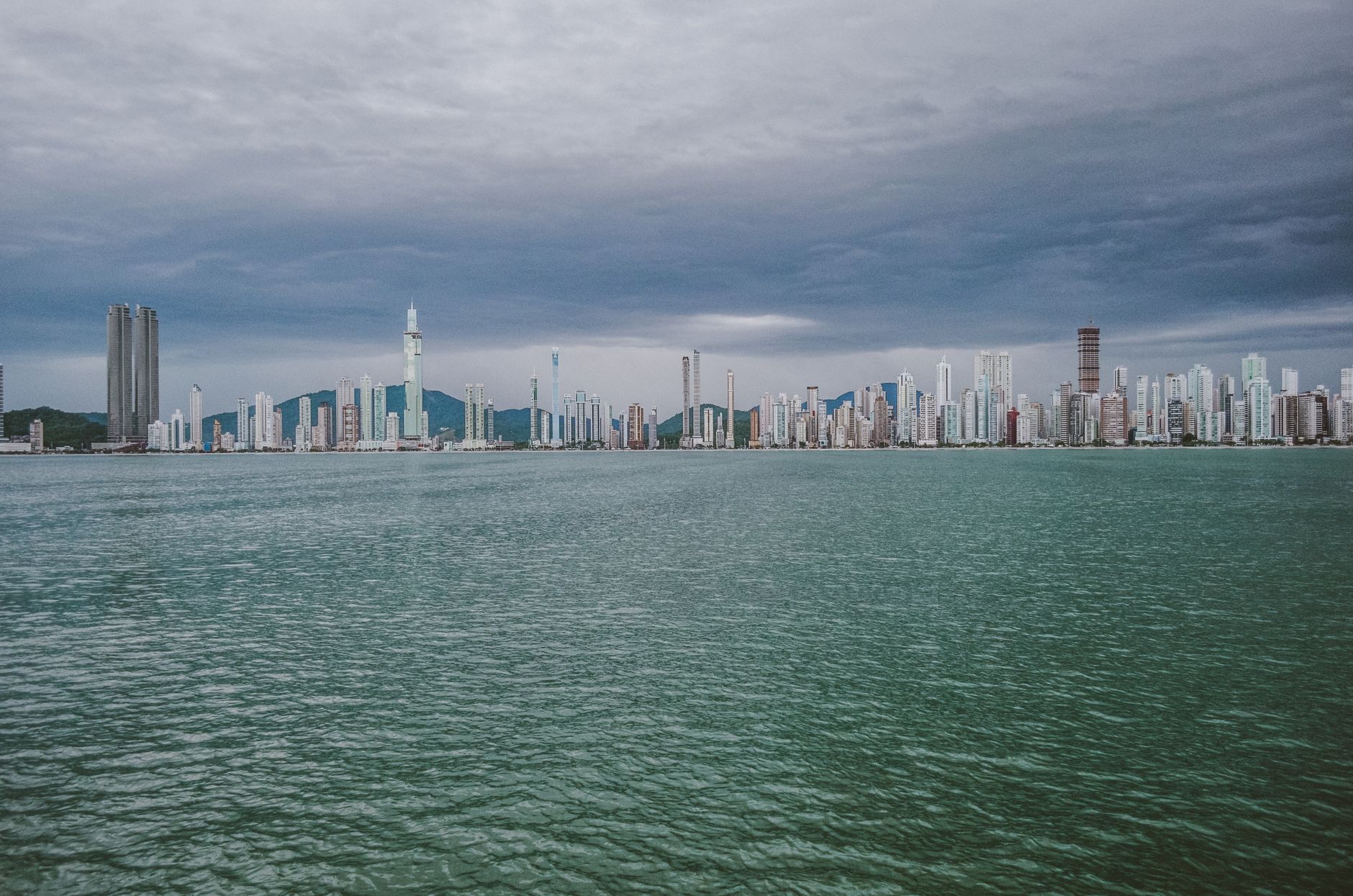
Closing the Case on Climate Noir
Genre fiction has always acted as a mirror to our deepest anxieties. By marrying the fast-paced thrills of noir with the sprawling dread of climate change, writers are giving us stories that are as thought-provoking as they are unputdownable.
So, the next time you are looking for a page-turner, skip the quaint English village murder. Step out into the acid rain instead—the truth is out there, buried beneath rising tides.