
When the Past Whispers Back
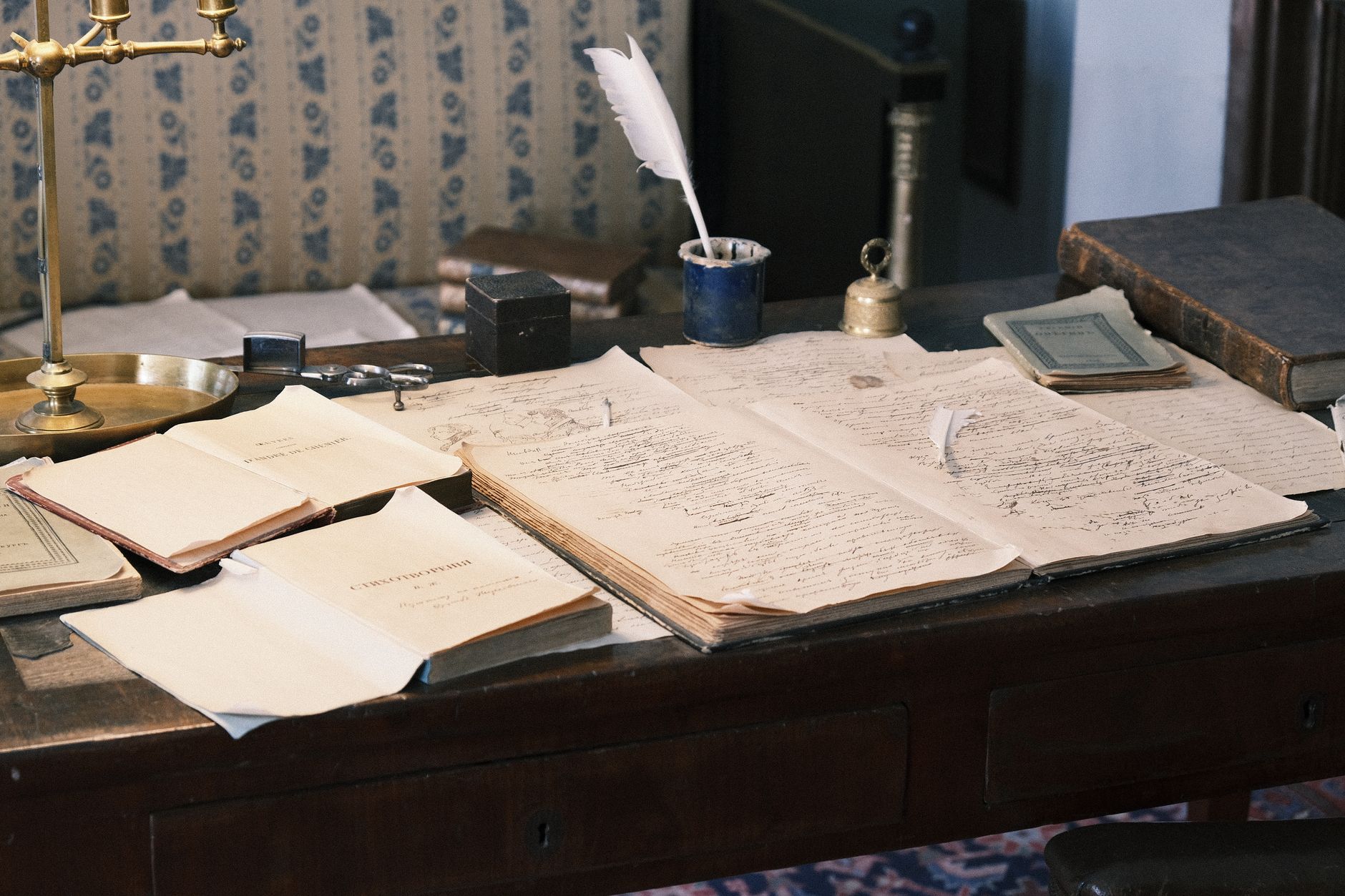
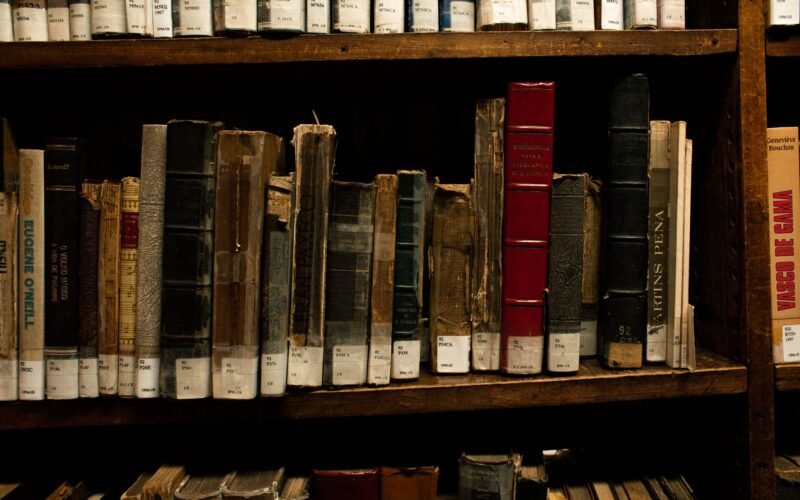
There is a distinct kind of magic that happens when a writer steps into a dusty archive, running their fingers over the spine of a ledger that hasn’t been opened in over a century. History isn’t just a collection of dates and broad strokes; it is a tapestry woven from whispered secrets, marginalia, and grocery lists left behind by ordinary people.
In her latest novel, acclaimed author Clara Vance turns her keen eye toward the margins of the nineteenth century, unearthing the true story of a forgotten botanist. We sat down with Clara to discuss the delicate art of translating historical research into compelling, breathing literary fiction.
The Ethics of Ventriloquism
Writing about real historical figures who left behind only fragments of their lives requires a profound sense of responsibility. As novelists, we are essentially filling in the blanks of someone else’s existence, a process that dances on the boundary between empathy and appropriation.
Respecting the Silence
“You have to know when to stop guessing,” Clara shared during our conversation. “There are parts of a historical subject’s life that simply belong to the shadows. As a writer, you must respect those blank spaces rather than exploit them for cheap narrative drama.”
Fictional Truth vs. Fact
Balancing archival accuracy with emotional resonance is the core challenge of historical fiction. Vance notes that altering a minor timeline is often necessary to serve the greater emotional truth of the protagonist’s internal journey.
Navigating the Labyrinth of Primary Sources
Primary sources can be notoriously unreliable, contradictory, or maddeningly sparse. For Vance, the thrill of the hunt lies in cross-referencing these discrepancies to find the human heart beating beneath official government records and polite Victorian correspondence.
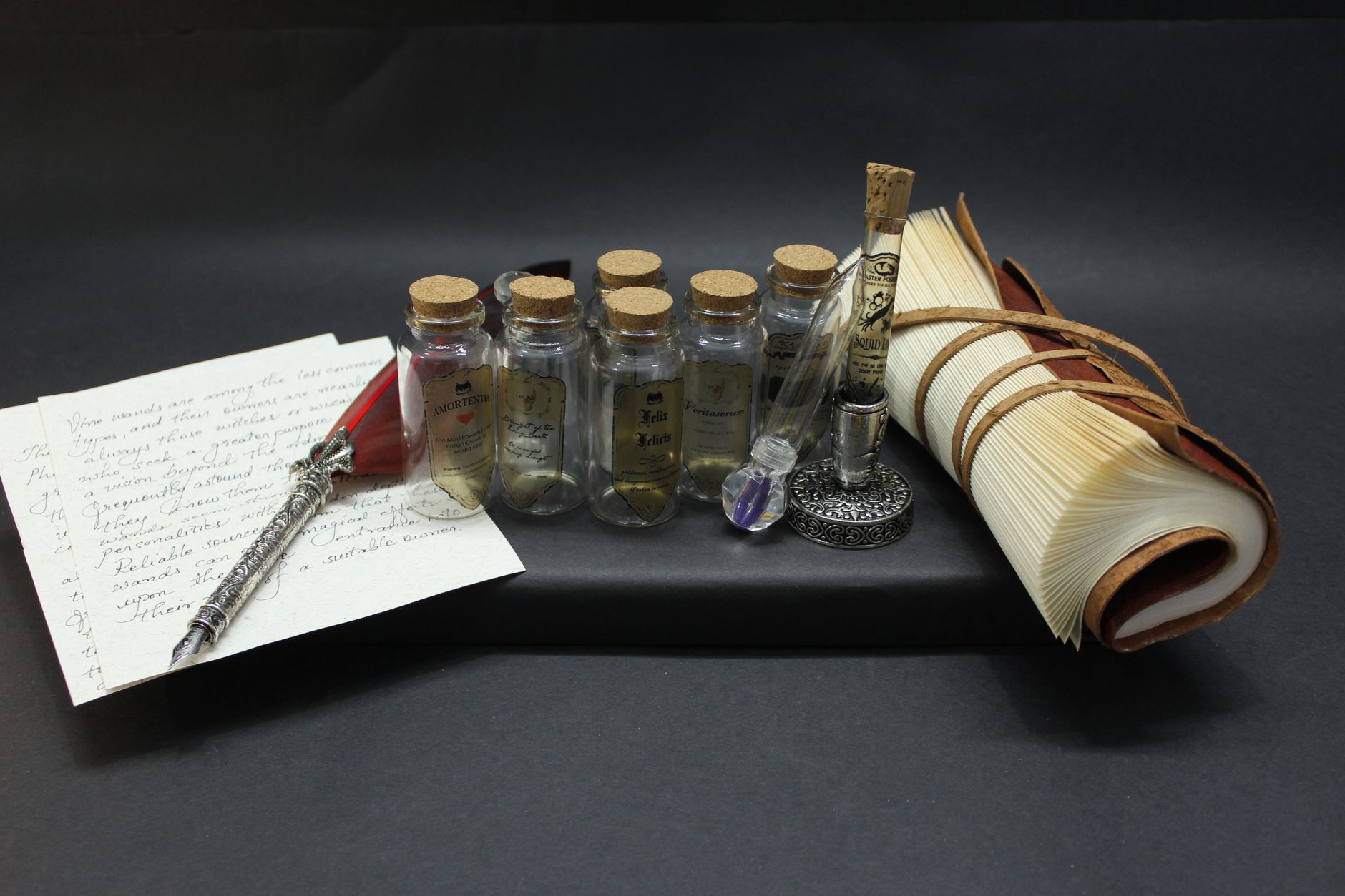
Instead of relying solely on textbooks, she immerses herself in sensory artifacts: fabric swatches, recipe books, and ink recipes of the era. This tactile approach ensures the historical world feels lived-in rather than meticulously museum-curated.
The Detective Work of Storytelling
Writing historical fiction often feels less like traditional plotting and more like forensic investigation. Every artifact tells a story, and every erased sentence in a journal entry holds a clue to what the writer was too afraid to commit to paper.
Reading Between the Lines
“What people left out of their diaries is often far more revealing than what they put in,” Vance explains. “A sudden silence in a correspondence can point directly to a scandal, a heartbreak, or a societal restriction.”
The Weight of Material Culture
By examining the physical objects of the past—a pressed fern, a cracked teacup, a faded receipt—writers can anchor abstract history into tangible reality, giving readers a visceral connection to characters who lived centuries ago.
Bringing Forgotten Voices Forward
Ultimately, archival research in fiction is an act of reclamation. By shining a light on those who were sidelined by the official chroniclers of their time, contemporary novelists help us understand our own modern moment through the echoes of yesterday.
If Clara Vance’s meticulous work teaches us anything, it is that history is never truly dead; it is simply waiting for someone curious enough to listen to its quietest pages.