
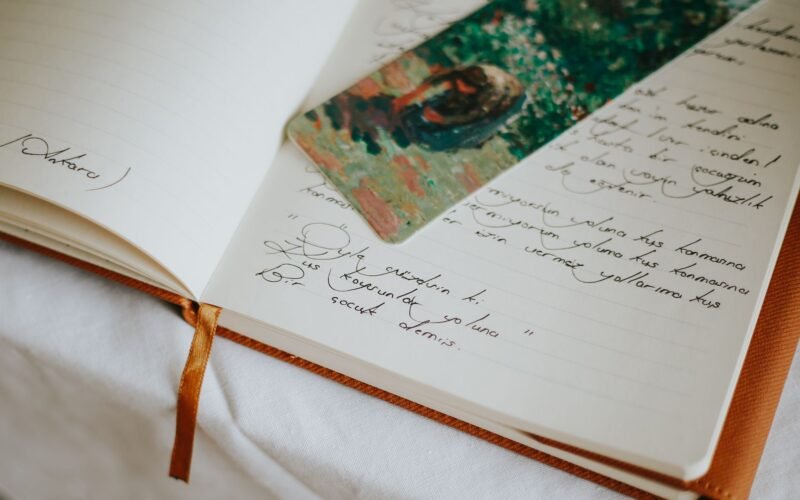

The Intimate Dialogue of the Margins
Books were never meant to be pristine museum artifacts frozen in time; they are meant to be lived in, argued with, and thoroughly worn out. When we open a novel, we enter a private conversation between ourselves and the author, but when we pick up a pen, we join the discussion directly on the page.
Marginalia turns reading from a solitary consumption into a collaborative act. By talking back to the text, we anchor our fleeting thoughts and emotional reactions to the physical paper, creating a layered artifact that grows richer the more times we return to it.
Developing Your Own Annotation System
If you have ever stared at a blank page unsure of where to write, you are not alone. Building a sustainable marginalia practice requires balancing structure with spontaneity so your notes enhance your comprehension rather than clutter the narrative.
Color Coding and Symbols
Assigning specific meanings to symbols like question marks, exclamation points, and brackets can help you quickly categorize your reactions on a second read. Some readers use highlighters for themes while using marginal notes for character development.
Dialogue Over Summary
Resist the urge to merely summarize the plot in the margins. Instead, focus on tracking motifs, asking questions of the narrator’s reliability, or noting how a specific sentence made you feel.
Why We Fear the Pen and How to Overcome It
Many readers suffer from a deep-seated hesitation when it comes to marking up a book. Whether it is ingrained respect for the physical object or the fear of ‘ruining’ a pristine copy, this mental block can keep us from fully engaging with our literature.
The secret to overcoming this fear is reframing the book not as a sacred relic, but as a tool. A heavily annotated book is a well-loved book, bearing the physical evidence of an active intellect wrestling with complex ideas.

Reading Books Left Behind by Others
There is a distinct magic in finding a used book that carries the ghost notes of a previous reader. These secondhand annotations offer a fascinating glimpse into another person’s mind across time and distance.
Conversations Across Decades
Finding an underlined passage or a frustrated note left by a stranger in 1974 reminds us that literature is a living, breathing continuum. You aren’t just reading the author anymore; you are reading alongside a kindred spirit from the past.
Respecting the Shared Text
When adding your own notes to a library book or a community copy, remember the unwritten etiquette of public marginalia: keep your notes thoughtful, legible, and respectful of the readers who will follow you.
Your Next Chapter Starts with a Pen
Marginalia is ultimately about claiming ownership of your reading journey. It reminds us that books are starting points for our own thoughts, rather than final destinations.
Grab a pen, pick a novel from your stack that demands a closer look, and do not be afraid to leave your mark on the page.
