

Beyond the Clean Page: Why We Write in Our Books
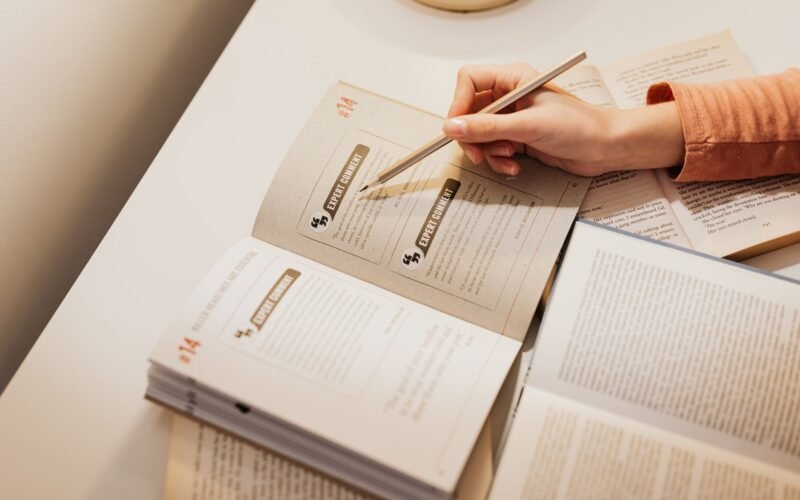
There is an unspoken tension every reader faces when opening a pristine hardcover: the dread of the first mark. For generations, pristine pages were treated as sacred artifacts to be kept in mint condition. But true reading is an act of conversation, not worship.
When you start writing in your margins, you stop being a passive spectator and step directly into the narrative arena. This reading guide explores how to leave your own intellectual footprints across the page without turning your cherished paperbacks into an illegible mess.
Tools of the Trade: Pens, Pencils, and Paper Chemistry
Not all writing instruments are created equal when it comes to paper stock. Using the wrong pen can lead to unsightly bleed-through, ruining the text on the reverse side of the page and instantly breeding regret.
The Undisputed King: The Mechanical Pencil
A good 0.5mm or 0.7mm mechanical pencil with HB lead is your absolute best friend. It offers precision, leaves a light impression, and—most importantly—can be cleanly erased if your midnight epiphany turns out to be pure nonsense by morning.
Choosing Your Highlighters Wisely
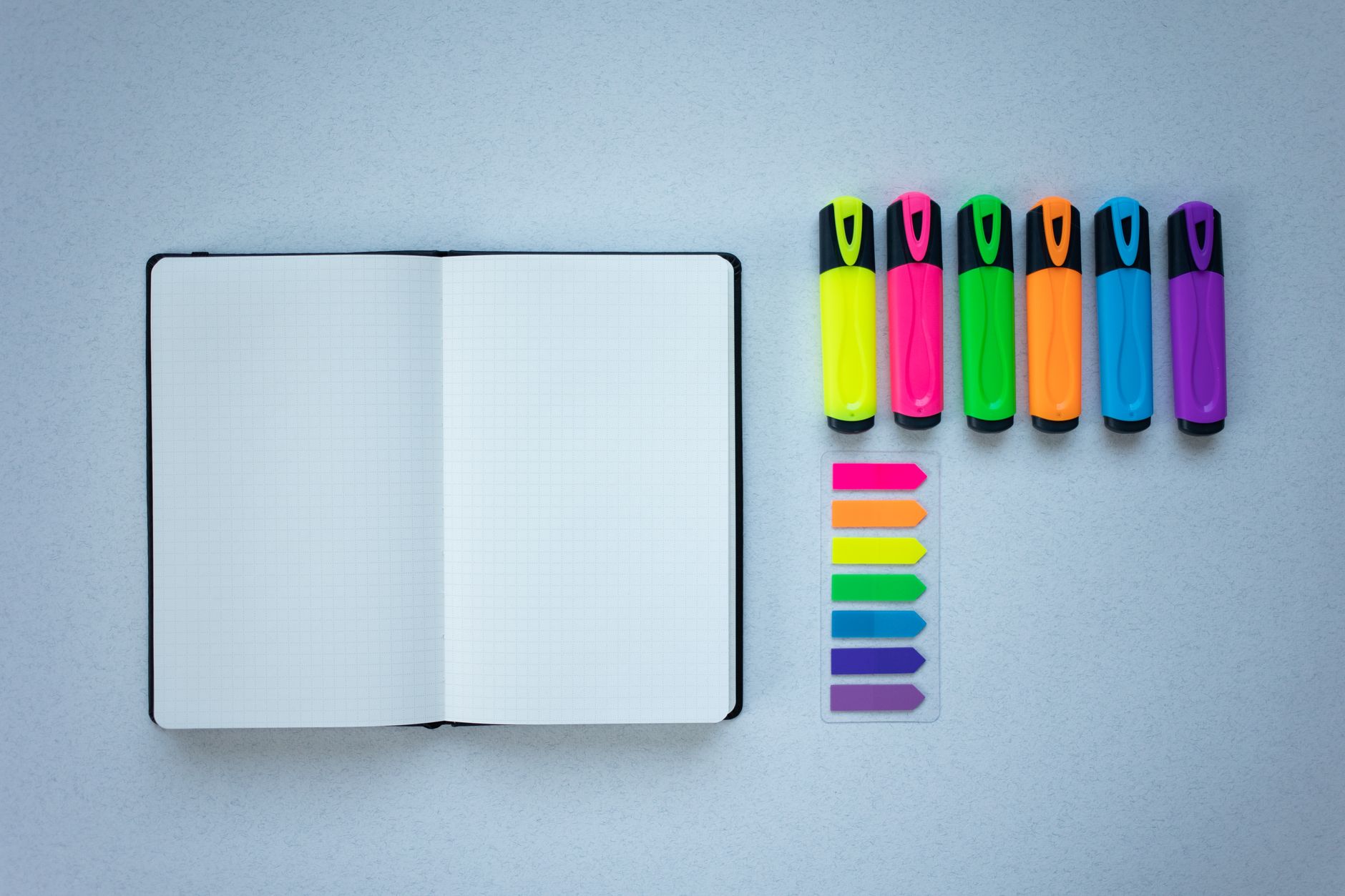
Ditch the neon yellow chisel tips that scream like caution tape across a delicate sentence. Instead, opt for mildliner-style translucent pastels or dry highlighter pencils that won’t warp thin trade paperback pages.
Developing Your Own Shorthand and Symbols
If you try to write full paragraphs of analysis in a three-quarter-inch margin, you are going to quickly run out of real estate. Developing a personal cipher is the secret to efficient, elegant book annotation.
Assign specific meanings to basic shapes. A simple exclamation point can denote a striking stylistic choice, a question mark flags a plot hole or confusing character motivation, and a bracket captures a particularly arresting turn of phrase. Over time, your system becomes a personal key to your evolving reading tastes.
Tracking Character Arcs and Thematic Threads
Complex contemporary fiction often demands more than just noting pretty sentences. To truly digest a sprawling novel, your annotations should actively track the underlying architecture of the book.
Mapping Motifs and Recurring Imagery
When an author drops a specific recurring motif—say, persistent references to weather, color palettes, or ornithology—draw a small box around the word and connect them with page numbers in the back flyleaf. You will thank yourself when writing a review or discussing the book with friends.
Dialogue Tags and Character Voice
Keep an eye on how characters evolve through their speech patterns. Underlining shifts in tone helps you spot subtle character development long before the plot explicitly addresses it.
Letting Go of Perfectionism
The biggest hurdle to annotating fiction is the paralyzing fear of making a mistake. Crooked underlines happen. Spelling errors in your notes happen. Even spilled coffee happens.
Embrace the messy reality of a well-loved, heavily marked book. A heavily annotated novel tells a dual story: the narrative written by the author, and the parallel emotional narrative of who you were when you read it.

Your Next Muted Chapter
Picking up a pencil and marking up your next novel changes the entire reading ecosystem. It turns a solitary afternoon into a lifelong correspondence with the author.
Grab a reliable pencil, open that TBR stack sitting on your nightstand, and start your conversation today. Your future self will love paging through the evidence of your reading life.