
The Setting as a Living Character
When we open a work of literary fiction, we often anticipate a deep dive into the psychological depths of the characters. Yet, some of the most enduring novels achieve their emotional resonance by treating geography as an active participant rather than a passive backdrop.
A physical location—whether it is a wind-swept northern coastline or a stifling urban apartment block—imposes its own laws on the people who inhabit it, shaping their desires, limitations, and eventual fates.
Topography and the Internal Landscape
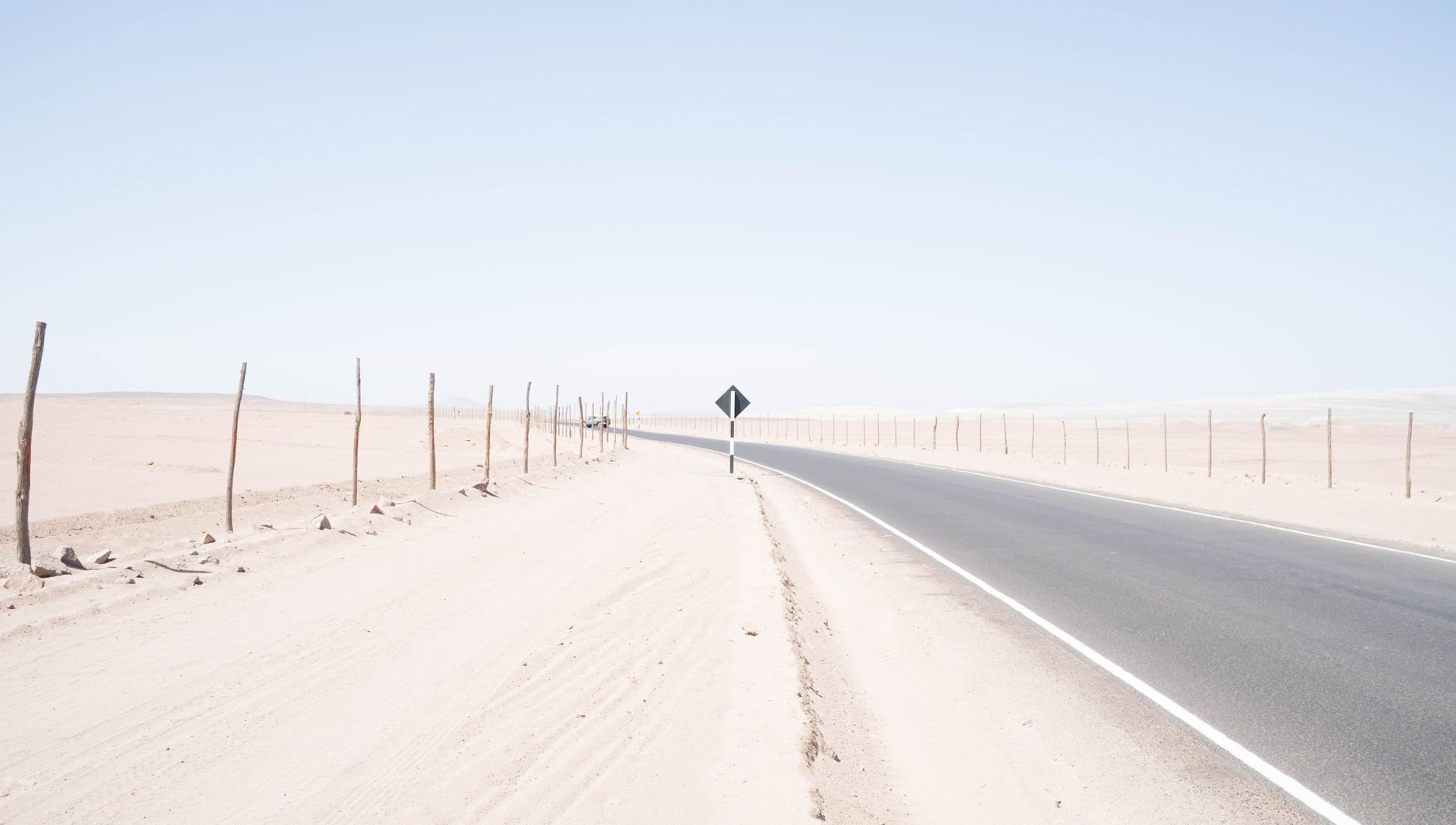
Authors frequently use external terrain to mirror internal chaos or clarity. The jagged cliffs of a remote island might reflect a protagonist’s fractured mental state, while a flat, endless prairie can evoke a profound sense of isolation and existential dread.
The Mirror of the Wilderness
Wild, untamed settings strip away the social niceties that characters rely on in civilization. In these spaces, the plot often pivots toward survival, stripping the narrative down to raw emotional truth.
The Labyrinth of the City
Conversely, dense urban landscapes offer a different kind of isolation. Surrounded by millions, a character in a sprawling metropolis highlights the modern paradox of hyper-connection paired with profound loneliness.
Displacement and the Quest for Belonging
Migration and displacement are central themes in modern storytelling. When characters are uprooted from their familiar environments, their relationship with place undergoes a violent rupture.
The literary exploration then becomes about the grueling process of trying to graft one’s identity onto a foreign soil, or accepting that the original home lives on only as a memory.

Reading Between the Lines of Latitude and Longitude
Paying attention to geography alters how we read a novel. It invites us to ask not just what is happening, but where the physics of the story allow it to happen.
Climate as Emotional Weather
The ambient temperature, the persistent rain, or the oppressive heat can dictate the pacing of a narrative, making the reader feel the physical weight of the character’s world.
Borders and Thresholds
Crossing a physical border in a novel often signifies a psychological point of no return, turning a simple journey across a map into a monumental rite of passage.
Finding Yourself on the Map
Ultimately, the best literary fiction reminds us that our environments leave permanent fingerprints on who we are. As you pick up your next novel, take a moment to look closely at the map provided in the front pages—you might just find the key to the character’s soul.