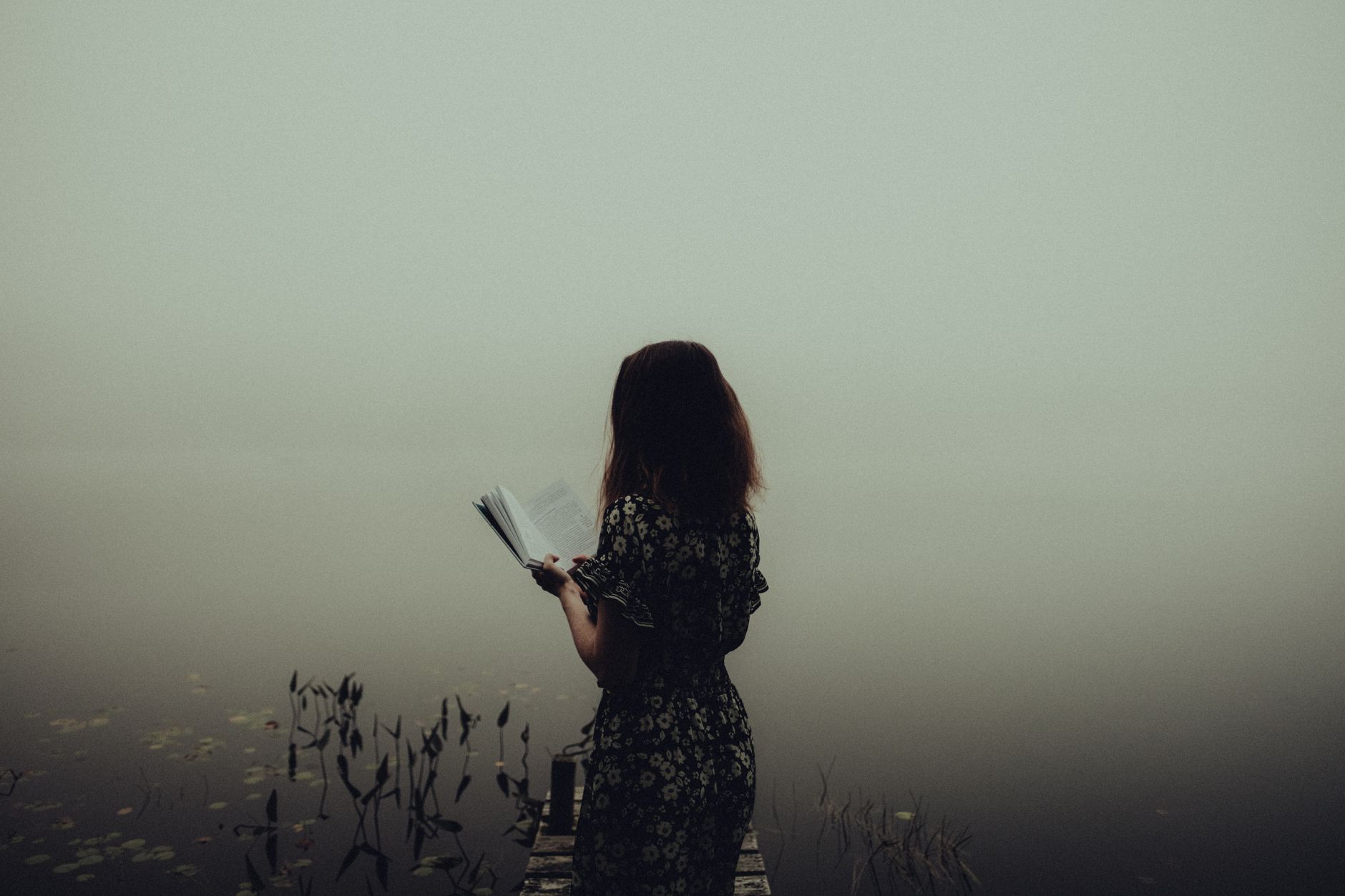
When the Wild Turns Vengeful
We have all read traditional gothic tales where the terror lives inside the walls of a drafty, ancestral estate. But what happens when the real menace is breathing right outside the window, rooted deeply in the soil?
Welcome to Eco-Gothic fiction—a captivating subgenre that fuses the eerie, atmospheric dread of classic gothic literature with modern anxieties about environmental collapse and human exploitation of the natural world.
The Roots of Botanical Terror
The genre isn’t entirely new, though modern climate anxieties have given it a sharp, urgent edge. Historically, gothic literature used nature as a backdrop for human drama, but Eco-Gothic shifts the spotlight entirely onto the ecosystem itself.
From Romantic Wilds to Claustrophobic Canopies
Early precursors like The Fall of the House of Usher utilized sickly environments to mirror psychological decay. Today’s authors take that a step further, making the flora and fauna active, sentient participants in the narrative.
The Shift from Passive Scenery to Active Agent
In these stories, a forest isn’t just a place to get lost; it is a breathing entity with a memory, a grievance, and a lethal way of settling scores with trespassers.
Key Themes Shaping the Modern Eco-Gothic
What sets this genre apart from standard sci-fi or cli-fi is its reliance on folklore, generational trauma, and uncanny biology. The landscape often acts as an archivist of human sins, refusing to let past atrocities be buried.
Instead of ghosts rattling chains, contemporary Eco-Gothic novels feature invasive species mutating in toxic runoff, ancient root systems choking out industrial progress, and weather patterns that feel chillingly intentional.
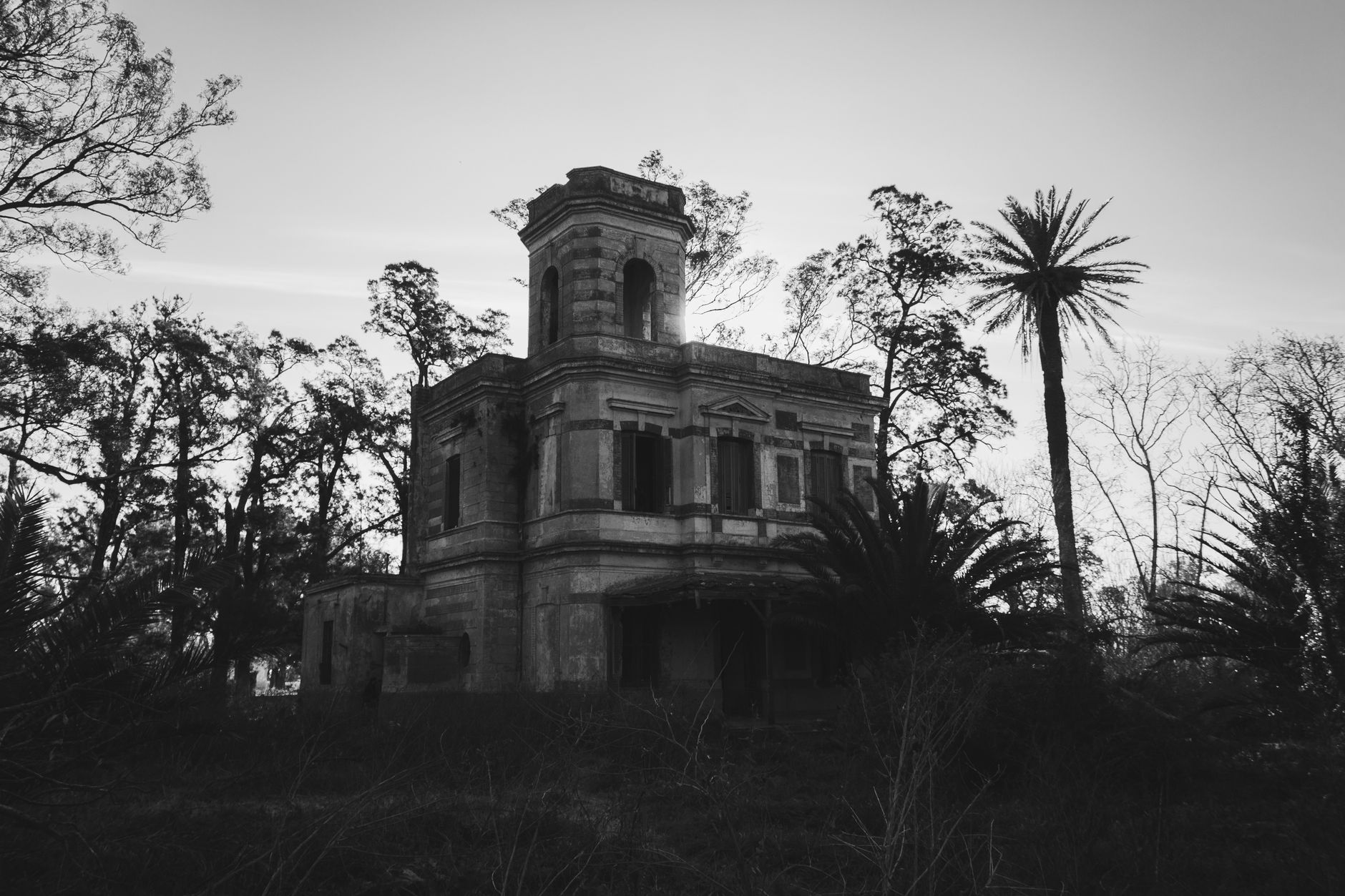
Notable Books That Define the Subgenre
If you want to dive headfirst into the eerie underbrush of Eco-Gothic literature, a few standout titles immediately come to mind for their masterclass use of atmospheric dread.
The Murky Waters of Modern Isolation
Novels like The Twisted Ones and various contemporary folk horror adaptations brilliantly capture the claustrophobia of being entirely surrounded by a landscape that wants you gone.
Fungi, Flora, and Folktales
Stories featuring sentient fungi and encroaching wetlands remind us of our fragility, proving that nature always wins in the end—it just occasionally needs to send a warning.
Why We Crave Stories About Earth's Vengeance
There is a strange, cathartic comfort in reading about nature fighting back. In an era of climate fatigue and helplessness, Eco-Gothic fiction offers a space where the earth reclaims its power.
These books invite us to look at the trees outside our own windows with a fresh, slightly wary appreciation, reminding us that we share this planet with forces far older and more formidable than we care to admit.