
Entering the Fungal Fog of the House of Usher
There is a distinct art to retelling a classic, especially when the original text is as deeply embedded in the Gothic canon as Edgar Allan Poe’s The Fall of the House of Usher. Many authors trip over the weight of the source material, either mimicking too closely or losing the atmosphere entirely. T. Kingfisher’s What Moves the Dead avoids this trap by leaning directly into the uncanny, shifting the terror from psychological melancholy to something chillingly biological.
Set in the fictional Eastern European empire of Gallacia, the novella follows retired soldier Alex Easton as they rush to the aid of their childhood friends, Roderick and Madeline Usher. What they find upon arrival is a decaying estate enveloped in a strange, oppressive stillness, accompanied by wildlife that looks and acts entirely wrong. Kingfisher immediately establishes a mood of claustrophobia and dread that stays with the reader long after the final page.
The Masterclass in Atmospheric Worldbuilding
Kingfisher’s greatest strength in this retelling lies in how she expands the physical and cultural landscape of the original story without diluting its focus. The atmosphere is thick with damp earth, military pragmatism, and a creeping sense of structural rot.
Gallacian Culture and Pragmatic Heroism
Alex Easton provides a grounded, weary perspective through a military lens that contrasts sharply with the frantic artistic sensibilities of the Ushers. Their background as a soldier gives them a no-nonsense approach to the bizarre phenomena surrounding the tarn, grounding the supernatural elements in tactile reality.
The Horror of the Natural World
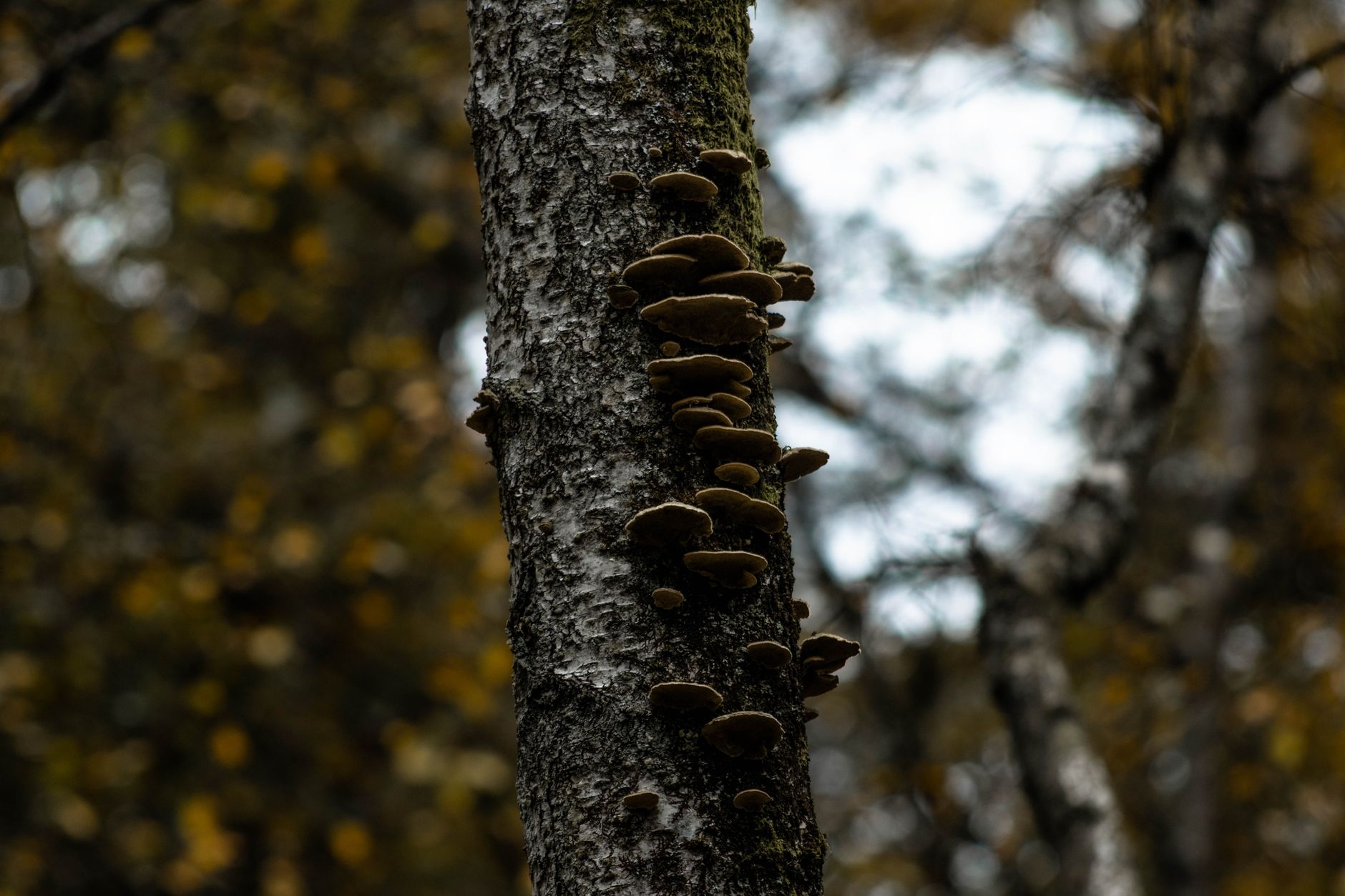
Instead of relying solely on ghosts or curses, Kingfisher draws inspiration from real-world mycology. The hares with glassy eyes, the creeping subterranean vines, and the fungal growths that dictate the rhythm of life in the estate make the horror feel uncomfortably organic and immediate.
Subverting Tradition Through Character Dynamics
Beyond the monsters in the woods and the strange afflictions plaguing Madeline, What Moves the Dead shines in its character work. Kingfisher populates the novella with a brilliant supporting cast that brings unexpected warmth and humor to an otherwise pitch-black narrative.
Gallant Mycologists and British Correspondents
The introduction of Miss Potter, a no-nonsense British mycologist, and her companion Angus adds a layer of delightful scientific curiosity to the horror. Their matter-of-fact acceptance of the weird provides a welcome comedic foil to the mounting tension.
Gender, Identity, and Pronouns in Gallacia
Kingfisher also handles Easton’s non-binary identity with a refreshing, casual normalization within the military context of Gallacia, adding a layer of rich, subtle worldbuilding that enriches the protagonist without dragging the plot to a halt.
Pacing and the Art of the Novella
At just under three hundred pages, the book is tightly plotted and relentless in its momentum. There is no narrative fat here; every scene serves to tighten the noose around the characters and reveal another horrifying layer of the mystery beneath the House of Usher.
Kingfisher knows precisely when to withhold information and when to unleash visual terror. The transition from subtle unease—such as noticing the strange behavior of the local fauna—to full-blown body horror is handled with expert timing. It is the kind of reading experience that begs to be consumed in a single sitting, preferably late at night with the lights dimmed.
Why This Retelling Deserves a Spot on Your Shelf
Ultimately, What Moves the Dead succeeds because it respects Poe’s original framework while unapologetically carving out its own terrifying identity. It bridges the gap between classic Gothic literature and modern creature-feature horror with style, wit, and genuine chills.
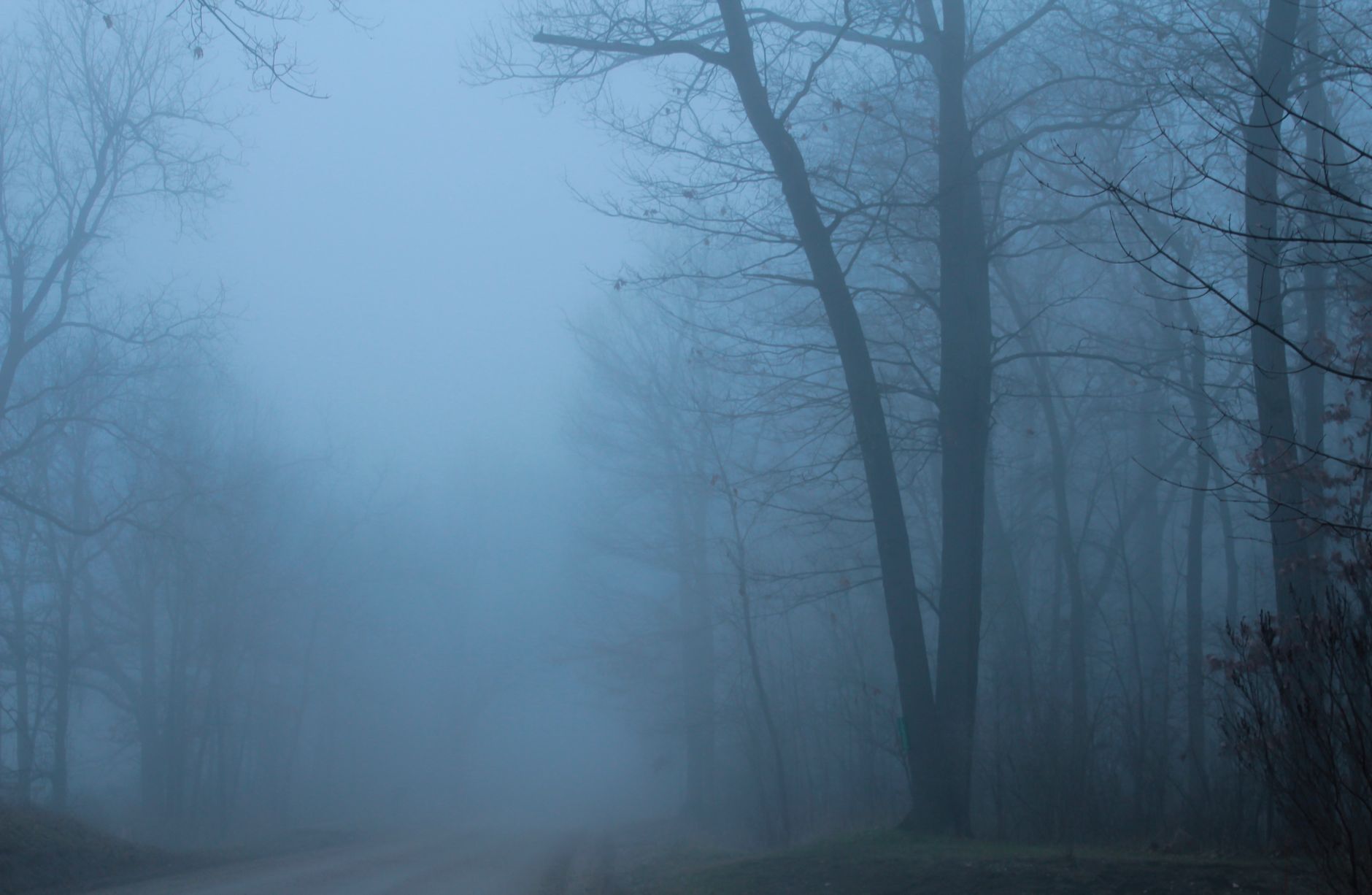
If you love atmospheric horror, brilliantly dry protagonists, and stories that make you look suspiciously at the mushrooms in your kitchen, this is an absolute must-read. Grab a copy, steep some strong tea, and prepare to venture into the mist.