

When Architecture Becomes the Antagonist
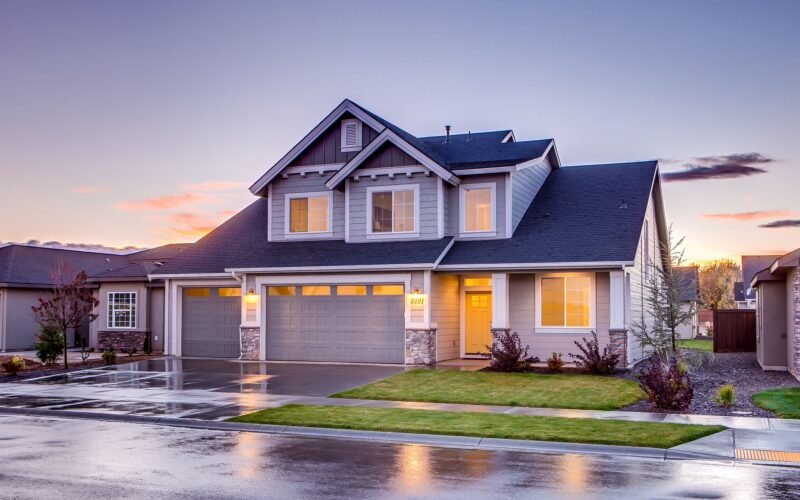
Most psychological thrillers rely on unreliable human characters to seed doubt, but what happens when the building itself is the gaslighter? In Anne Rivers Siddons’ 1978 masterpiece, The House Next Door, the true monster isn’t a person—it’s a sleek, modern, modernist architectural anomaly dropped into a traditional Atlanta suburb.
As book lovers, we often gravitate toward settings that feel like characters, yet few novels manage to make physical geometry feel genuinely malicious. This review explores how the book subverts domestic comfort and turns the American Dream into a slow-burn nightmare.
The Anatomy of Suburbia Gone Wrong
The brilliance of the narrative lies in its slow escalation. It doesn’t start with blood or screams; it starts with subtle design choices that quietly offend the senses.
The Geometry of Unease
The house is geometrically just… off. Windows face strange angles, and the interior layout defies intuitive navigation, creating a persistent, low-grade disorientation for anyone who steps inside.
Infectious Malevolence
Rather than acting as a haunted house with ghosts, this structure acts as an amplifier for the existing human flaws of its residents, quietly eroding marriages and sanity.
Ruth's Perspective and the Weight of Observation
Our narrator, Ruth Kennedy, is an observant, highly intelligent woman living next door. Her growing obsession with the house provides a masterclass in suspense. She watches from her terrace as the home systematically destroys every family naive enough to move in.
What makes Ruth compelling is her self-awareness. She knows she is becoming unhinged by her fixation, yet she cannot look away. It mirrors the exact feeling of turning pages in a gripping thriller long past midnight, knowing we should close the book and go to sleep.

Why This Mid-Century Gem Still Matters
In an era dominated by high-concept supernatural horror and fast-paced domestic noir, Siddons’ novel stands out for its literary restraint. It predates much of the modern psychological horror boom while offering a sharper critique of societal pressures.
A Masterclass in Pacing
The novel refuses to rush its horrors. By allowing the dread to accumulate across seasons, the eventual tragedies feel earned rather than sensationalized.
The Comfort of the Familiar Destroyed
By setting the terror in a sunny, affluent southern neighborhood, the author strips away the safety net of the gothic castle, proving that horror can happen right in the middle of a manicured lawn.
Final Verdict for Your Reading List
If you love atmospheric fiction that prioritizes psychological dread over jump scares, The House Next Door deserves a prime spot on your reading stack. It is a haunting reminder that sometimes, the scariest place on earth is just a few feet away from your own front porch.
Grab a copy, find a well-lit room, and prepare to look at your neighborhood architectural choices with a fresh, slightly suspicious eye.
