
The Sacred Art of Defacing Your Books
For generations, we have been conditioned to treat books as pristine artifacts. We use delicate bookmarks, cringe at the sight of a cracked spine, and view the pages as untouchable territory. But what if the secret to truly unlocking a novel lies in breaking that rule entirely?
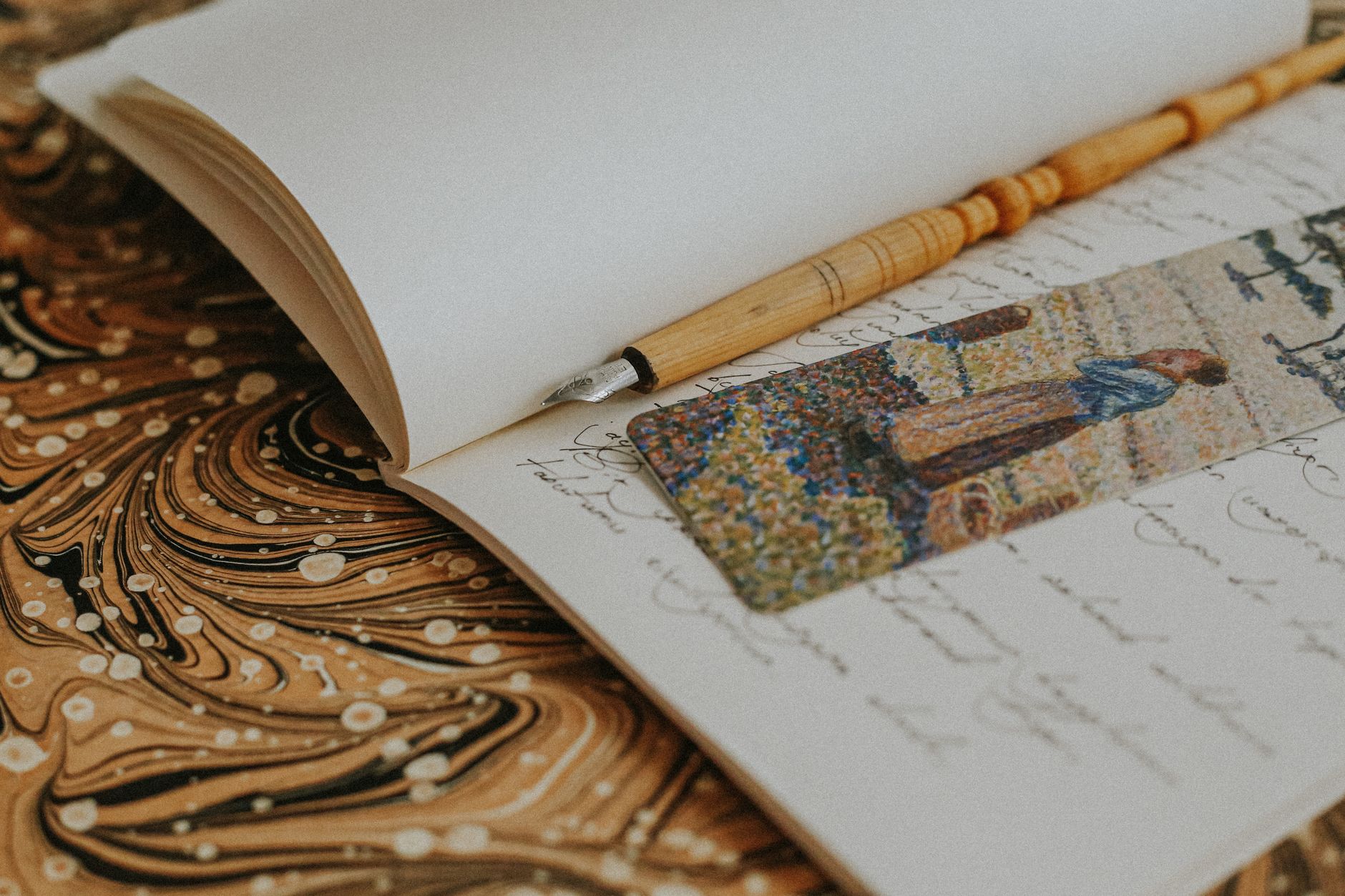
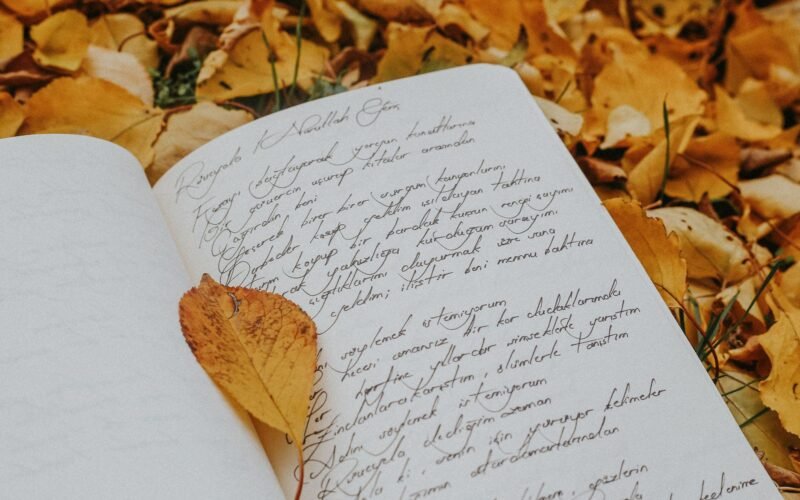
Marginalia—the practice of scribbling notes, questioning plot points, and underlining striking phrases directly on the page—turns reading from a solitary act of consumption into an active, vibrant dialogue with the author. It is time to let go of our reverence for blank margins and embrace the messiness of true engagement.
Building a Personal Annotation System
When you first pick up a pen to write in a book, the sheer white space can feel intimidating. Having a loose system in place helps ease the pressure and gives your annotations a purposeful rhythm without turning the book report into a chore.
Symbols, Shorthand, and Color Coding
You do not need to write full paragraphs in every margin. Simple symbols—such as a question mark for confusion, an exclamation point for a brilliant twist, or a star for gorgeous prose—can capture your immediate emotional reaction.
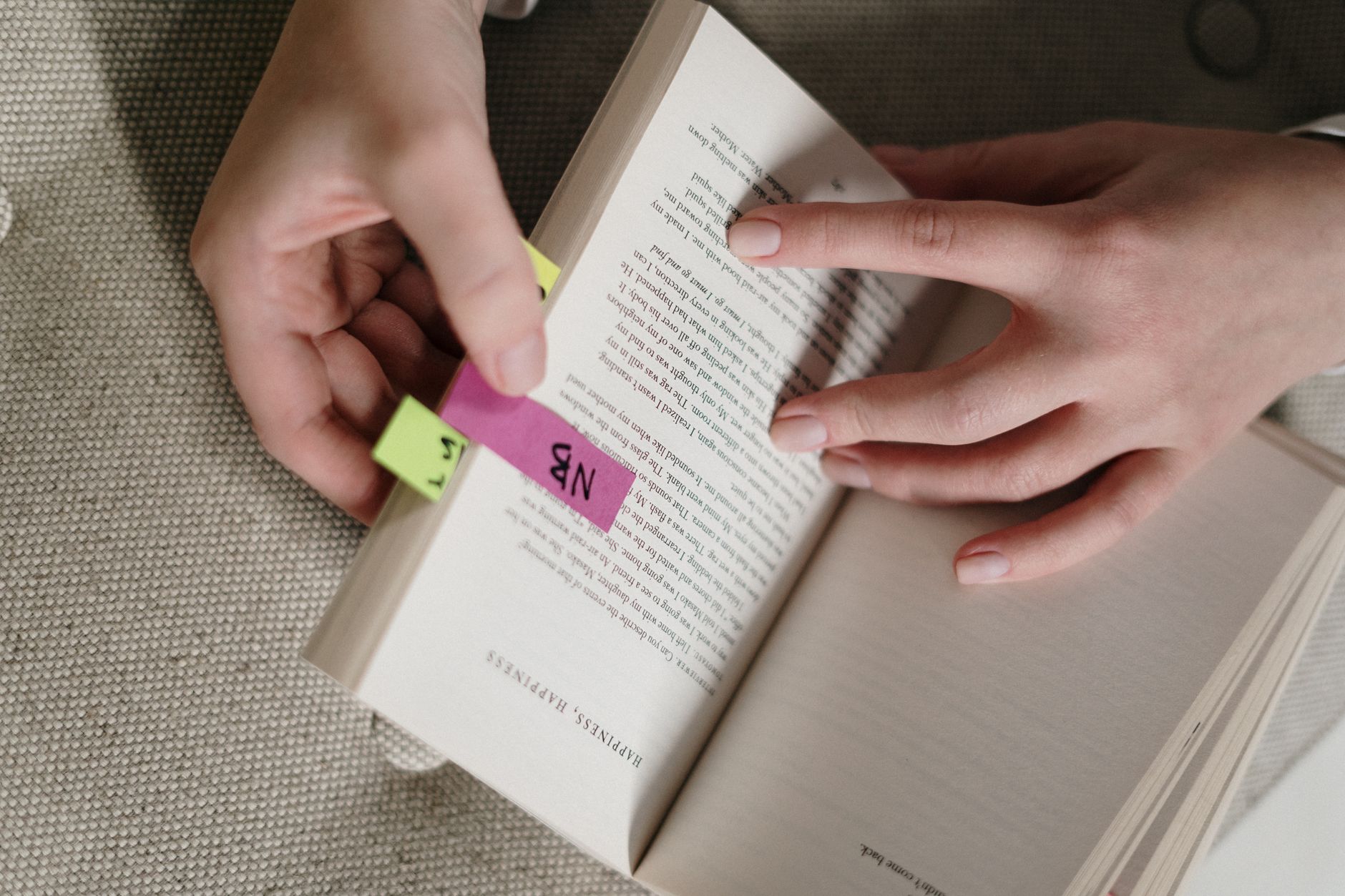
If you prefer a cleaner approach, a simple color-coded sticky flag system can help you track themes like character development, recurring motifs, or heartbreaking quotes without altering the physical pages permanently.
The Conversation of the Margins
Treat your notes like a live chat with the narrator. Argue with unreliable characters, cheer on sudden victories, and write down what a passage reminds you of in your own life.
These brief, raw impressions capture who you were at the exact moment you read those words, making the book a time capsule of your own intellectual and emotional evolution.
Overcoming the Fear of the Pen
The biggest hurdle to annotating is the fear of making a mistake. What if my handwriting is messy? What if my observation is shallow? These self-conscious thoughts keep our best reading insights trapped inside our heads.
Remember that marginalia is entirely for you. It does not need to be pretty, legible to a stranger, or profound. A messy, ink-stained page is evidence of a mind actively wrestling with art, and that is a beautiful thing.
Revisiting Your Annotated Library
The true magic of marginalia reveals itself years later when you pull a well-worn book off your shelf. Flipping through those pages is like meeting an older version of yourself who happened to read the exact same story.
You will find jokes you forgot you made, realizations that shaped your worldview, and connections between books that you never would have remembered otherwise. Your personal library transforms from a static collection of objects into a dynamic, living map of your reading life.
Pick Up a Pen and Dive In
You don’t need to overhaul your entire reading life today. Start small: grab a pencil, pick a paperback you love, and give yourself permission to leave a trace of your own mind on the page.
Happy reading, and happy writing in the margins!