
The Secret Life of Used Books
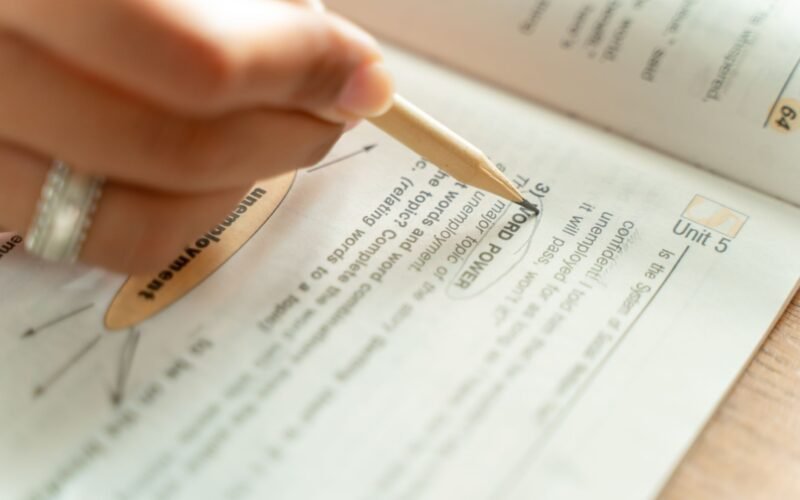
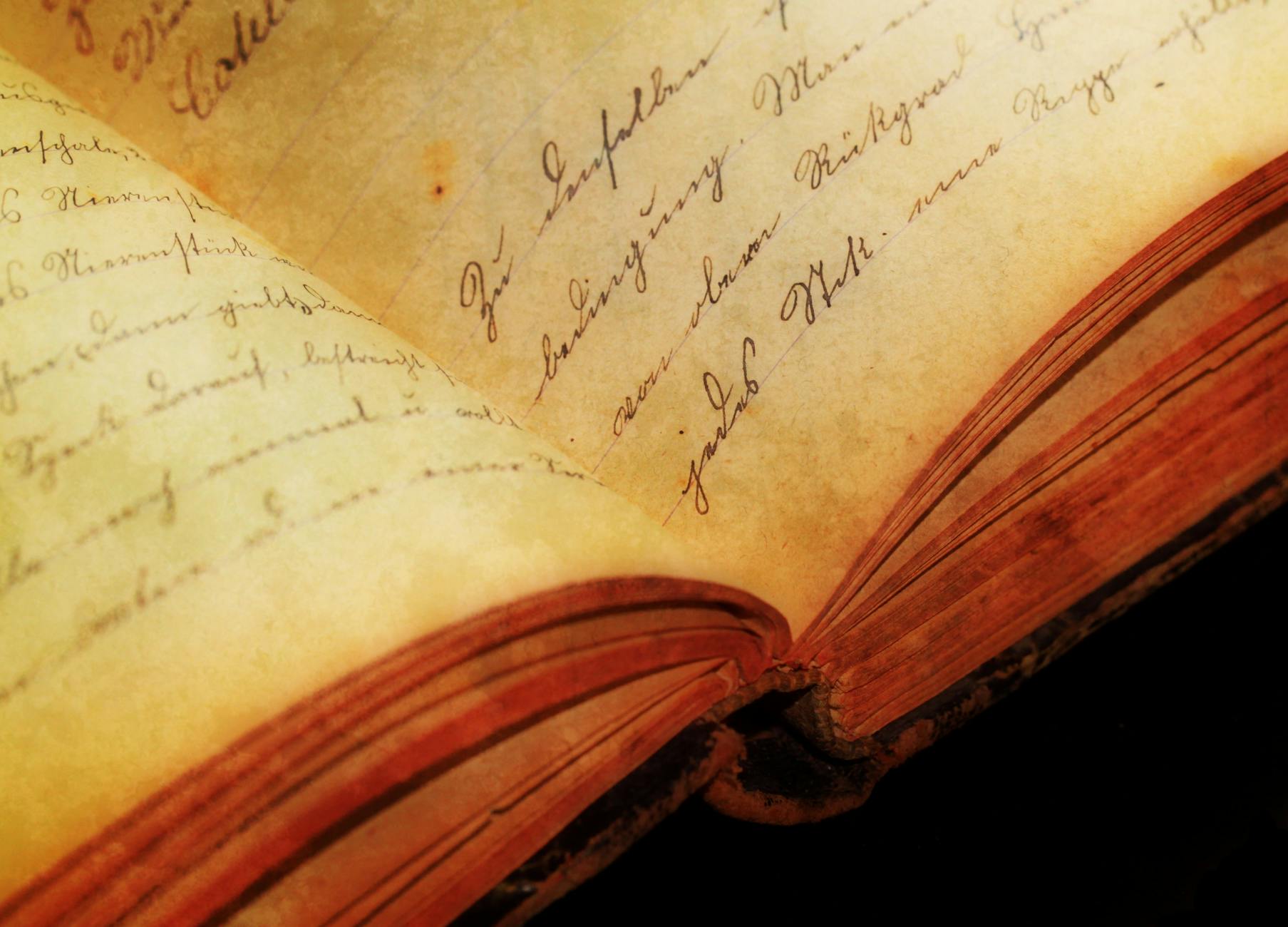
Have you ever pulled a dusty paperback from a shelf, cracked open the cover, and found a stranger’s handwritten thoughts scrawled across the white space? That sudden encounter with marginalia—the notes, underscores, and stray doodles left by previous readers—turns a solitary reading experience into an intimate conversation across time.
Instead of treating a defaced page as a ruined text, we can view it as a dual narrative. You are no longer just reading the author’s carefully chosen words; you are witnessing someone else’s emotional wrestling match with those exact same sentences.
The Psychology of the Reader's Pen
When we pick up a pen to talk back to a book, our relationship with the text fundamentally shifts from passive consumption to active dialogue. We stop merely receiving a story and start interrogating its mechanics, questioning character choices, or highlighting prose that simply takes our breath away.
Agreeing and Arguing with the Author
Writing “Yes!” or an emphatic exclamation point next to a passage validates our own worldview through the author’s insights. Conversely, writing “Hard disagree” or jotting a sharp question mark in the margin forces us to articulate why a certain narrative turn feels unearned.
Capturing Fleeting Epiphanies
Sometimes marginalia isn’t about the book at all, but about where the book took our minds. A sudden connection to a personal memory or a philosophical realization often lands in the bottom corner of a page, serving as a time capsule for who we were when we read those words.
Famous Examples of Historic Marginalia
Some of the most fascinating literary artifacts in history are not original manuscripts, but heavily annotated copies owned by legendary writers and thinkers. Hester Lynch Piozzi, John Keats, and Sylvia Plath were notorious for talking back to their library books, leaving behind fierce critiques and tender observations.
Studying these historical markings gives us an unfiltered backstage pass into the minds of brilliant creators. Seeing where John Milton underlined a Greek tragedy or how Herman Melville argued with poetry reveals the hidden workshop of literary influence.
How to Start Annotating Your Own Books
If you have always kept your books pristine, taking that first pen stroke across a clean page can feel terrifying. But granting yourself permission to mark up a text is one of the most liberating reading habits you can cultivate.
Choosing Your Tools
Start small with soft lead pencils so you can erase if needed, or upgrade to archival micro-pens that won’t bleed through delicate paper. If writing directly in books feels like a bridge too far, translucent sticky notes offer a wonderful middle ground.
Developing Your Own Shorthand
Create a system that works for you rather than mimicking internet aesthetic trends. Whether it is circled words for recurring motifs, exclamation points for tension, or simple question marks for confusion, your shorthand should serve your own future reflections.
Leaving Your Mark on the Literary Landscape
Books are not sacred relics meant to remain untouched behind glass; they are living, breathing vessels of human thought. By embracing marginalia, you acknowledge that reading is a participatory sport.
So the next time a sentence strikes a chord, don’t just keep reading. Pick up a pen, leave a piece of your mind in the margins, and join the sprawling, centuries-old conversation whispered between the lines.