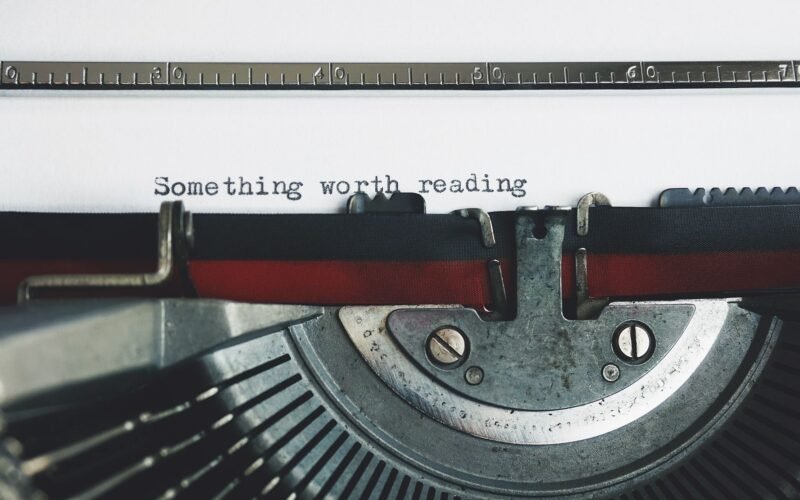

Why the Formed Letter Still Captivates Us
There is a distinct, quiet thrill in reading someone else’s mail. The epistolary novel—built from letters, diary entries, and documents—has always relied on a fundamental breach of privacy to draw readers directly into the emotional core of a narrative.
As our communication shifts from the inked page to the glowing screen, contemporary literature is evolving right alongside us. Writers are finding ingenious ways to recreate that intimate voyeurism using the digital artifacts of our everyday lives.
From Parchment to Pixels
The mechanics of the epistolary novel have undergone a radical transformation over the past decade. Where characters once poured their hearts out onto heavy stationery, modern protagonists type frantic midnight emails, drop voice memos, and leave digital paper trails.
The Threaded Anxiety of Modern Messaging
Text messages and chat logs introduce a frantic, breathless pacing that 19th-century letter-writers could only dream of. The blinking cursor and the read receipt become instruments of immense psychological tension on the page.
Asynchronous Longing in the Cloud
Conversely, the unreturned email or the abandoned shared Google Doc mimics the slow-burn anticipation of waiting for a transatlantic ship. Authors use these digital delays to underscore profound human isolation.
Reading Between the Digital Lines
One of the greatest joys of tackling a contemporary epistolary book is becoming an active investigator. Because these stories are told entirely through fragments, footnotes, and forwarded chains, the reader must piece together the truth that characters are trying to hide—even from themselves.
You aren’t just absorbing a plot; you are analyzing metadata, timestamps, and redactions to figure out what really happened between Chapter 3 and Chapter 4.
Curated Reading List for the Tech-Era Voyeur
If you are ready to dive into novels that push the boundaries of how stories are transmitted, start with a few standout titles that use multimedia elements brilliantly:
- Eileen by Ottessa Moshfegh (for diary-driven grit)
- S. by J.J. Abrams and Doug Dorst (for ultimate physical ephemera)
- Recent contemporary releases told entirely through email threads and corporate Slack channels.
Closing the Tab on Distance
Ultimately, epistolary novels remind us that technology doesn’t necessarily bring us closer together; it simply changes the shape of our longing. As you pick up your next multi-perspective, document-driven novel, lean into the gaps and enjoy the art of reading what was never meant to be seen.