
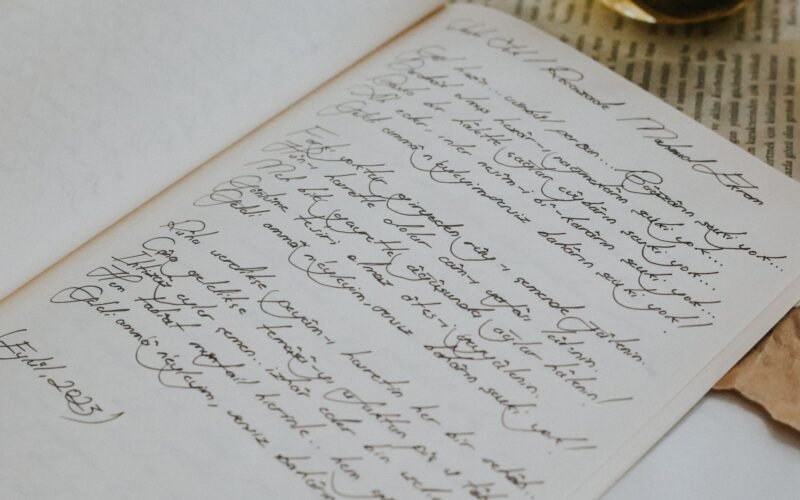

The Ghostly Companionship of Past Readers
There is a distinct thrill in opening a used paperback and discovering that you are not the first person to traverse its pages. Long before book clubs and digital reading guides standardized our collective literary reactions, marginalia served as the original social network for readers.
When we encounter underlinings, indignant exclamation points, or faded phone numbers scrawled on an endpaper, we are suddenly pulled out of our solitary reading experience. We are sharing a room with a ghost—someone who reacted to the exact same plot twist twenty years ago.
Categorizing the Voices in the Margins
Not all marginalia is created equal. Over years of collecting marked-up volumes, you begin to notice distinct archetypes among the commentators who came before you.
The Conversationalist
This reader treats the book like a living breathing person, arguing directly with the protagonist in the margins. You will find notes like ‘Don’t trust him!’ next to a chapter three reveal, or a simple ‘Ouch.’ following a piece of brutal dialogue.
The Lexicographer
Equipped with a sharp pencil and an insatiable curiosity, the lexicographer neatly writes definitions of obscure vocabulary words in the top corner of the page. Finding these definitions is like discovering a tiny, thoughtful time capsule left behind by a meticulous student.
How to Build Your Own Marginalia Reading Guide
If you have always been a pristine reader who treats books like museum artifacts, stepping into the world of active annotation can feel intimidating. However, marking up your texts is one of the most effective ways to deepen comprehension and transform passive consumption into active dialogue.
Start small by using a soft-lead pencil so you can erase later if needed. Dedicate specific symbols for your thoughts: a triangle for recurring themes, a star for brilliant prose, and a question mark for plot holes. Over time, your marked pages become a customized reading guide tailored precisely to your evolving intellectual curiosities.
The Ethics of Defacing Literature
The practice of writing in books sparks fierce debate among bibliophiles. Some view it as a sacrilegious act of vandalism, while others consider it the ultimate form of literary intimacy and respect.
When to Keep It Clean
Rare editions, signed copies, and pristine hardcovers certainly deserve preservation. In these cases, utilizing removable sticky flags allows you to track themes and quotes without altering the physical pages.
When to Let Loose
Mass-market paperbacks, heavily read poetry collections, and thrift store finds are begging to be lived in. Dog-ear them, underline them, and leave your own marginalia for the next curious soul to unearth.
Passing the Torch to the Next Reader
Ultimately, the books we read and leave behind are part of an ongoing, endless literary conversation. By embracing the messy, human habit of marginalia, we acknowledge that stories do not end on the final page—they ripple outward into the lives of everyone who dares to pick them up.
So the next time you browse a used bookstore, look past the pristine covers. Seek out the worn spines, the dog-eared corners, and the penciled secrets waiting to be read all over again.
