


When the Page Finds a Voice
We often talk about reading as a purely visual and internal act, a silent dialogue between the author’s mind and our own. But as listening habits shift, audiobooks have evolved from a convenient alternative for commuters into a vital, highly artistic medium of their own. Today, we are looking closely at how professional voice actors breathe new life into contemporary fiction.
To explore this artistic intersection, we sat down with veteran audiobook narrator Julian Vance. Vance has given voice to dozens of literary novels, translating complex prose rhythms and shifting narrative tones into immersive auditory experiences.
The Anatomy of a Literary Performance
Reading aloud requires an entirely different toolkit than traditional silent reading. When an actor interprets a novel, they are making thousands of micro-decisions regarding pacing, emotional weight, and character differentiation.
Navigating Pacing and Prose Rhythm
Literary fiction often relies heavily on sentence structure and cadence. Vance explains that respecting the author’s punctuation is paramount, but knowing when to breathe inside a long clause can completely change how a reader perceives tension.
Characterization Without Caricature
Unlike full-cast dramatizations, solo narrators must evoke an entire community of voices without resorting to cartoonish accents. The challenge lies in finding subtle tonal shifts that distinguish characters while keeping the prose grounded.
Collaboration Across the Miles
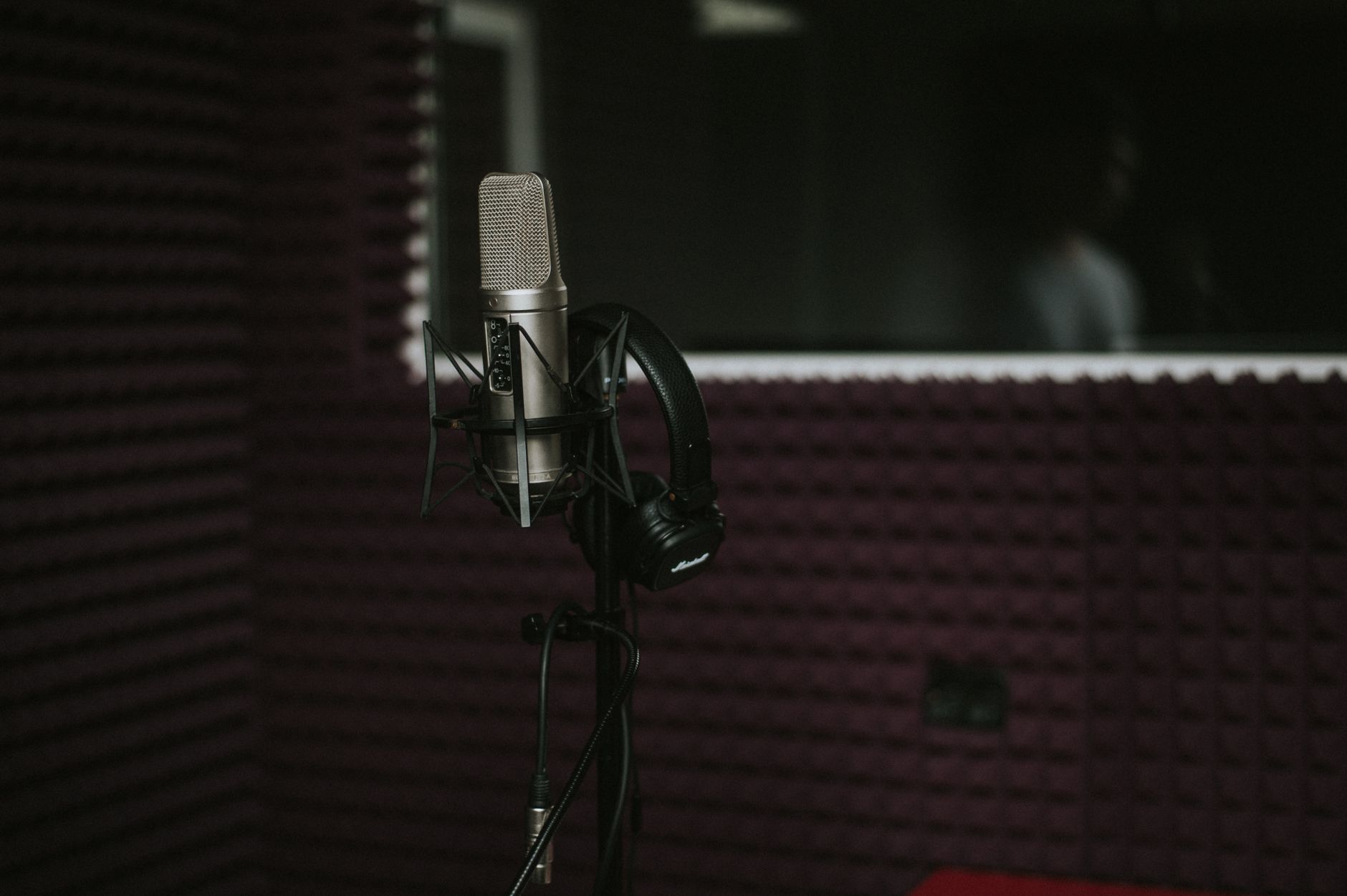
One might assume that audiobook narration is a solitary endeavor performed in a padded booth, but Vance reveals that the best projects involve a surprising amount of invisible collaboration with authors and directors.
Pronunciation guides, emotional check-ins, and discussions about ambiguous character motivations are standard practice before a single chapter is recorded. This creative synergy ensures the audio version honors the spirit of the original text.
Why Listening Changes What We Remember
Cognitive studies suggest that listening to a story activates different emotional pathways than reading text on a page. The human voice carries intimacy, vulnerability, and subtext in ways that ink cannot fully capture on its own.
Vance shares that readers often approach him at book events to say that hearing a particular novel made them notice thematic layers they completely missed during their initial print read-through. The ear acts as a different kind of filter for narrative truth.
The Future of the Shared Narrative
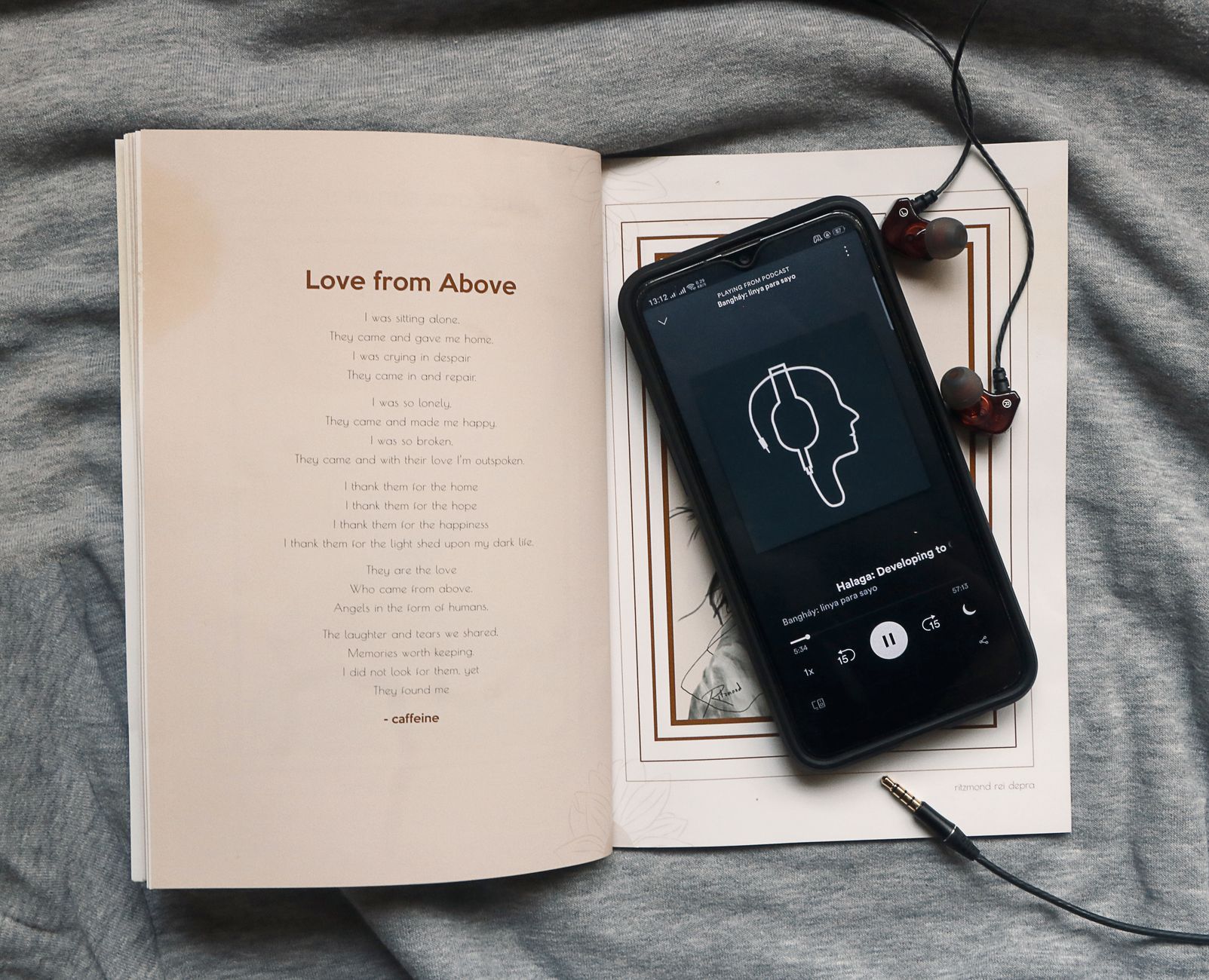
As publishers continue to invest in high-production audio adaptations, the barrier between textual and auditory literature continues to dissolve. Books are increasingly designed with the ear in mind from the earliest editorial stages.
Whether you are a lifelong print purist or an avid listener, the growth of sophisticated audio performance expands our collective appreciation for great storytelling.
Closing Chapters
Our conversation with Julian Vance reminds us that books are living artifacts, capable of wearing many different hats—or in this case, many different voices. The next time you open a novel, consider taking a listen to how the spoken word might change your journey.
Be sure to check out our previous author interviews for more deep dives into the mechanics of modern storytelling, and let us know your favorite audiobook experiences in the comments below.